 Smatree


Smatree action camera accessories, and what the category is really for
This is the shelf the workshop grew out of. Before we ever cut a laptop shell we were moulding cases for action cameras — small, expensive electronics carried in the exact places where things get dropped, soaked and sat on. Everything in this category exists to get a camera to the water, the trail or the bike and back again intact, which is a narrower job than general photo bags and a much harder one.
Action camera accessories split into three honest groups: the things that hold the camera still while you film, the things that carry it when you are not filming, and the things that keep it running. We make all three, and we keep them in one category because in practice you buy them together. A GoPro with no mount is a paperweight; a GoPro with a mount and no case is a scratched paperweight by the end of the season.
Hard cases for cameras
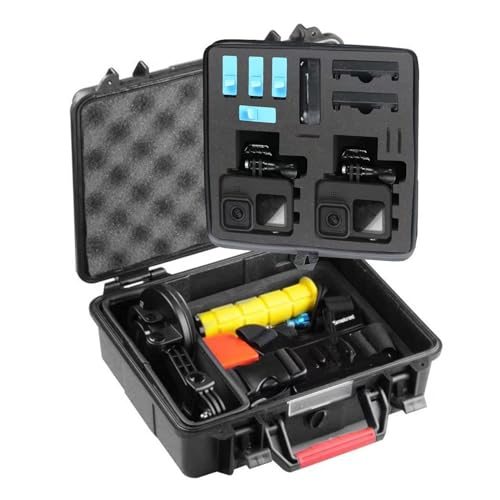
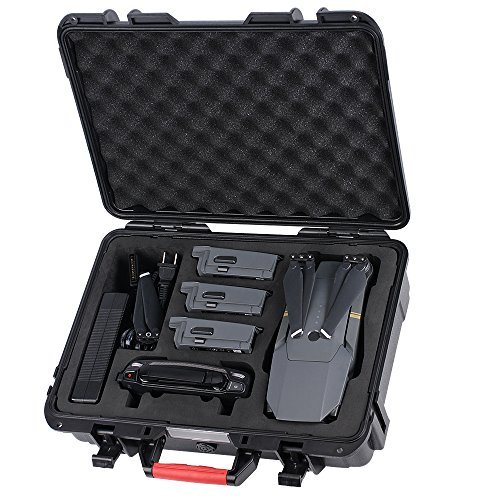
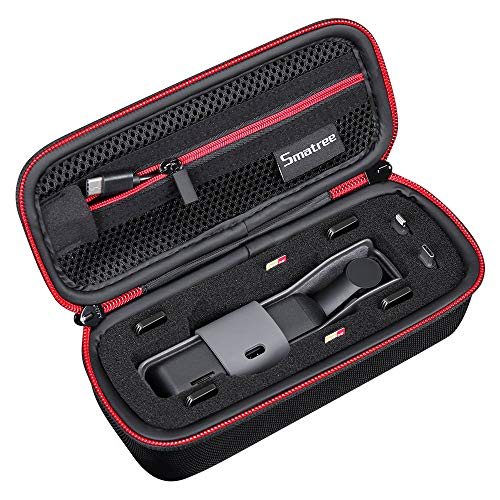
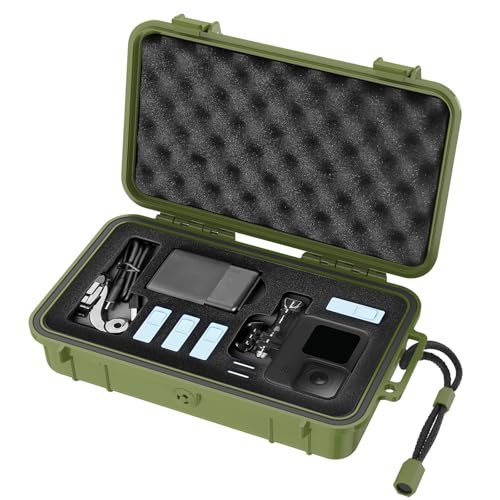
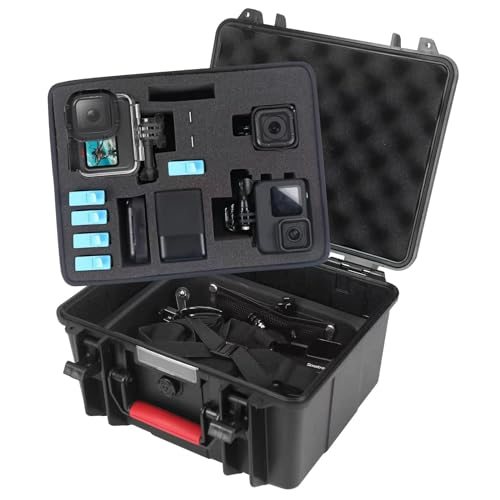
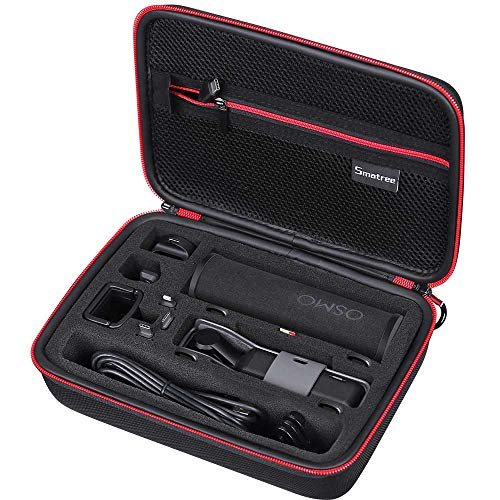
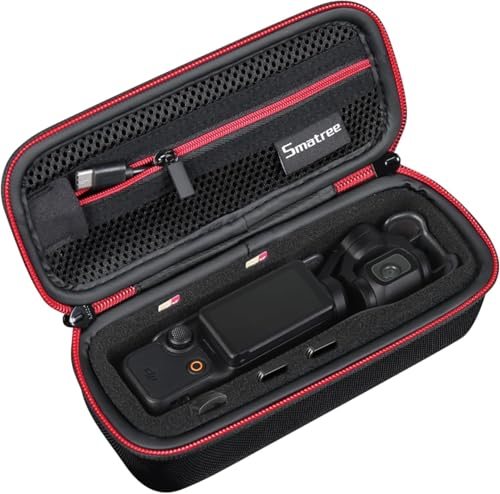
Our camera cases are moulded EVA with the interior cut, not poured. Every hollow is shaped to one object — the body, the spare cells, the cables, the keys you throw in on the way out of the door. Cut foam is slower to make than a sheet of generic egg-crate, and it is the only way accessories stop rattling against each other for a whole afternoon in a rucksack.
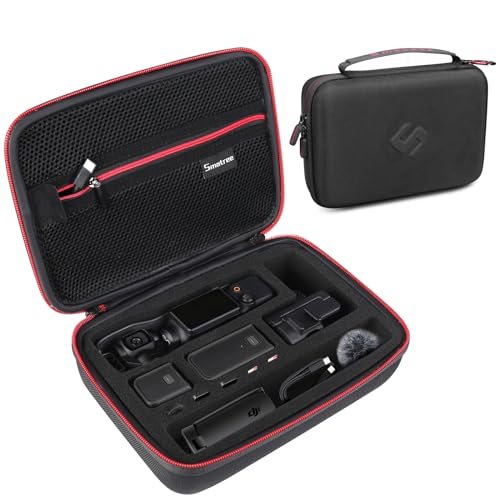
Sizes run from a pocket shell that takes one camera and two mounts up to a storage case that holds a full kit: two cameras, a pole, a charger, a stack of batteries and the cables for all of it. The large cases are the ones people buy second, once the pile of accessories has outgrown the drawer it was living in.
GoPro, DJI and Insta360
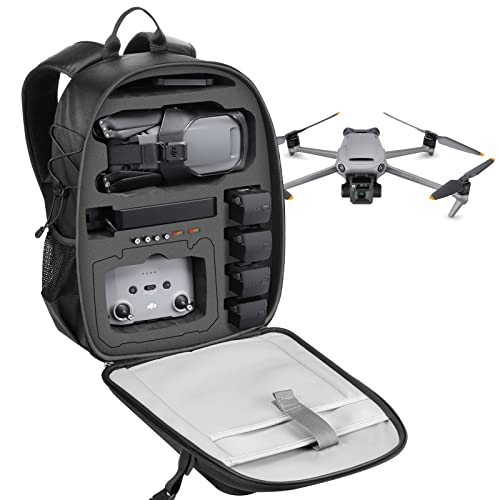
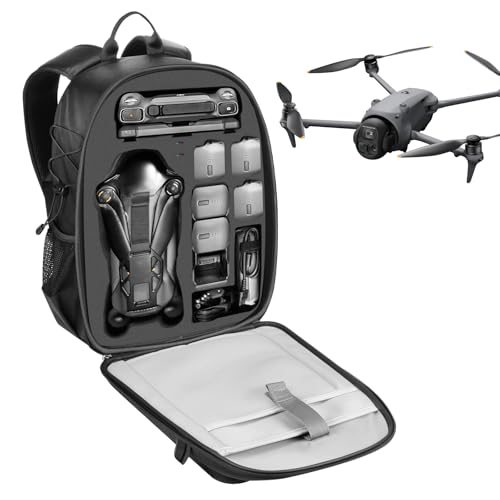
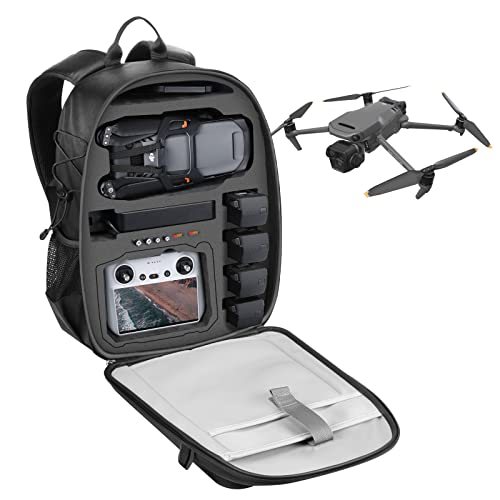
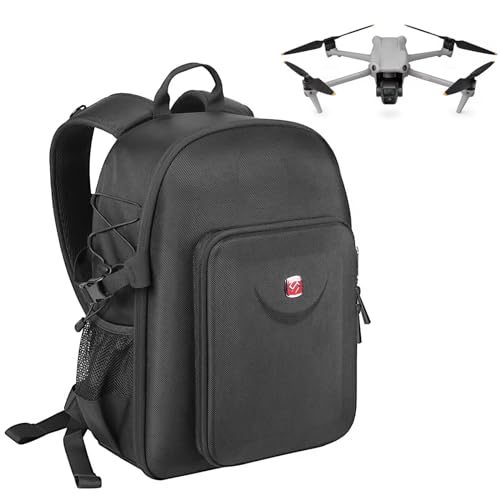
We cut patterns for the three families that actually sell. GoPro cases cover the HERO body shape and the mounting fingers that stick out of it. DJI cases cover the Osmo Action bodies, the Osmo Pocket gimbals and the folding drones — Mavic, Mini and Avata — where the arms are the fragile part and the foam has to cradle each one separately. Insta360 cases deal with the lens domes, which scratch if they so much as touch a zip.
A GoPro case is not a DJI case with a different sticker. The GoPro body is a brick with a door; an Osmo Pocket is a stick with a gimbal head that has to be held off every surface. Where a listing names a camera, that camera was on the bench when the mould was drawn. That is also why this category has more cases in it than there are cameras — several generations share a shape, and several do not.
Hand grips, large cases and where we file them
Shops file all of this under the category electronics, camera, photo, and then under accessories again. We file it by hand: a hand grip that floats, a hand strap that does not slip, a large case for the whole kit and a large shell for two bodies. Smatree accessories for action cameras were the first thing we made, and Smatree accessories are still where our hand-cut hollows show most.
In a store's category electronics, camera, photo lists the accessories for one camera beside the accessories for another, and nothing tells you which hollow fits which body. Here each page names the camera. That is the reason Smatree keeps a separate shelf for action camera accessories at all — the electronics are other people's, the hand-cut fit and the Smatree pocket shell are ours.
Floating cases and water
Several of our camera cases float. That is a specific, deliberate property — closed-cell EVA with enough displacement to keep a loaded case on the surface — and it has saved more cameras than any amount of padding. It is not the same as waterproof. None of these cases are dry bags, and we will not call them one.
Carrying the kit: bags, cases and luggage
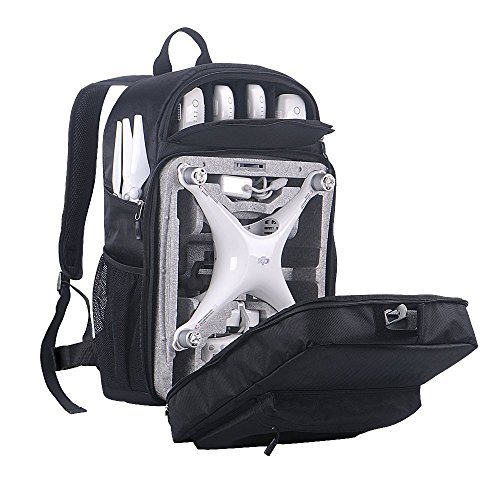
Once a camera kit grows past one body it becomes a luggage problem. The bags here are built around that: a shaped outer shell so the bag keeps its form in an overhead bin, a flat back panel so it rides against a rucksack or a trolley handle, and an interior laid out for accessories rather than for clothes.
The difference between our camera bags and general photo bags is the interior. A photo bag gives you velcro dividers and a prayer. We give you cut hollows, because action cameras and their accessories are small, hard and numerous, and dividers do nothing to stop small hard things migrating into one corner of the luggage.
Storage at home
Half the cases we sell never leave a shelf. A kit that lives in a cupboard still needs storage that keeps the lens domes apart and the cells in one place, and a moulded case does that job better than a drawer — it stands up empty, it stacks, and you can see at a glance which mount is missing.
Cables, cells and the small stuff
Every full-size case here has a lidded compartment for cables, spare keys, a microfibre cloth and the adapters that otherwise end up loose. Cables are the accessories people forget to plan for and then spend a trip untangling, and electronics this small punish a bag with no interior structure.
Mounting: the accessories that decide the shot
A camera case protects the camera. A mount decides whether the footage is worth protecting. The poles, grips and tripod handles on the neighbouring shelf are part of the same kit of accessories, and most of the cases here are cut with a channel for a folded pole because that is how people actually pack.
Poles and grips
Telescopic poles that lock at every section, floating grips that come back up, tripod handles that fold into a base. The locking collar is the part that fails on cheap poles, so ours are metal and they bite on a wet hand.
Fitness, bikes and the moving shots
A lot of action camera footage is fitness footage — a bike, a board, a run, a dive. That use is hard on accessories in a particular way: constant small vibration rather than one big knock. Threads back off, clamps creep, and foam that was cut loose lets the body buzz. Tight hollows are the fix.
How this category is organised
We sort the catalogue by what a thing is, not by which camera brand is printed on it, because most of our cases are cut for a body shape that several cameras share. Use the chips at the top of the shelf to narrow the category to GoPro, DJI or Insta360, and use the sizes in each listing to check the kit you already own will go in.
Design decisions you can see
Flat outer faces so cases stack and slide. Recessed zip channels so the slider never reaches a lens. Rubberised feet so a case set down on wet rock does not travel. None of this design is styling — each decision came from a case that came back.
Prices, stock and where you buy
Prices and stock belong to the store that fulfils the order, not to us, and both move. What we keep accurate here is the catalogue: which cases exist, which cameras they were measured against, and what fits inside them. The link on each page goes to the listing for that exact item, at whatever the prices are that day.
Choosing one
Start from the kit, not the camera. Count the bodies, the cells, the mounts and the cables you actually carry, then pick the smallest case that swallows all of it — a case with empty hollows is a case that rattles. If the kit is still growing, buy the pocket shell now and the storage case later; they work together, and that is how most of these accessories end up being bought anyway.
If you are buying for someone else, the safe choice is a case cut for the camera they own rather than a general bag, because the whole value of Smatree accessories is in the hollow being the right shape. A generic bag is a thing they already have.